
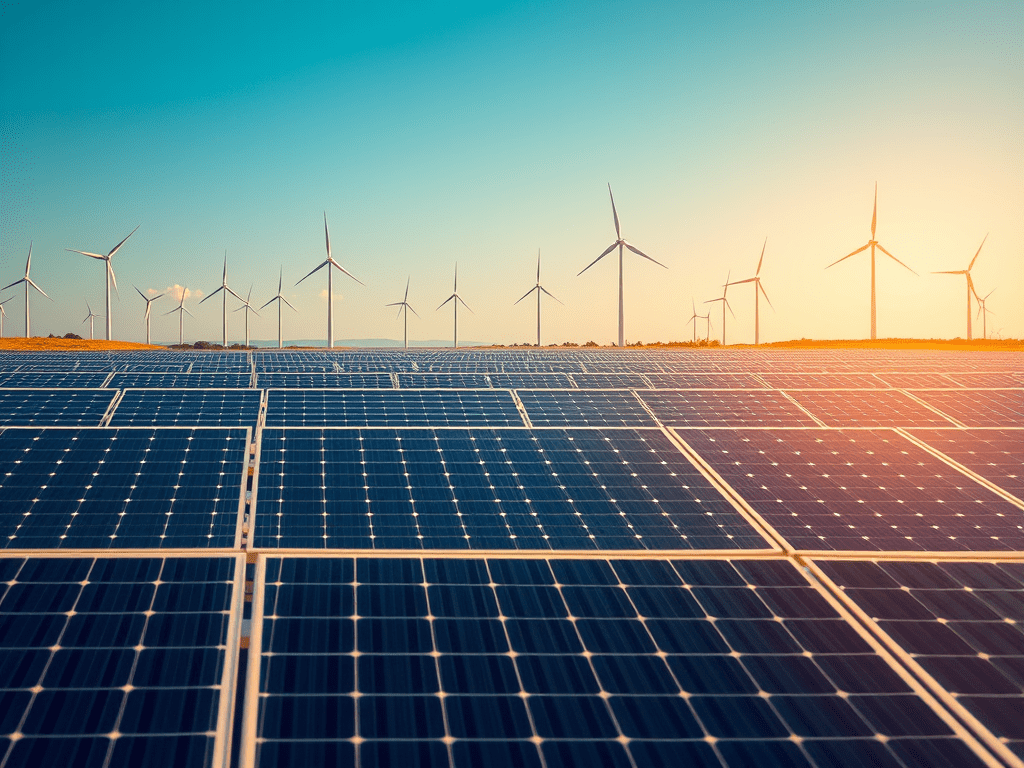

Explore how renewable marketing trends, sustainability branding, AI & automation, and credibility through certification will shape the future of clean energy advertising.
Market Backdrop & Growth Trajectory
Before diving into strategy, it’s important to understand just how fast the renewable sector is expanding — and why that matters for marketers.
According to the International Energy Agency (IEA):
- Global renewable electricity generation is projected to reach 17,000 TWh by 2030, nearly a 90% increase from 2023.
- Between 2024 and 2030, an additional 5,500 GW of new renewable capacity will come online — triple the growth rate seen from 2017 to 2023.
- Renewables are expected to supply 46% of global electricity by 2030, with solar and wind taking the lead.
- In 2023 alone, the world added 507 GW in new capacity — with solar PV responsible for roughly three-quarters of that growth.
(Source: IEA.org)
These numbers mean one thing for marketers: your audience is expanding fast. Renewable energy is no longer niche — it’s the next mainstream frontier. The challenge ahead isn’t convincing people to care about sustainability; it’s showing them why your brand is the most credible, authentic, and impactful in the space.
The Rise of Green Storytelling
In an increasingly crowded clean-energy marketplace, storytelling is your competitive edge. Green storytelling isn’t just about eco-friendly buzzwords — it’s about authenticity, data transparency, and emotional clarity.
According to GreenBiz, sustainability marketing can boost a brand’s reach by up to a third when done well. But Forbes Sustainability cautions that as regulations tighten, vague “green” claims can backfire.
What Makes Great Green Storytelling Work
- Authenticity: Be honest about where your brand is in its sustainability journey.
- Evidence: Support every claim with measurable data or certifications.
- Emotion: Connect your technology or product to human outcomes — families powered, emissions saved, communities impacted.
- Consistency: Your sustainability message should align across campaigns, investor materials, and employee communications.
- Vision: Define what your long-term sustainability success looks like — and make it personal.
In renewable marketing, your story is your trust anchor — everything else is noise without it.
AI, Automation & Next-Gen Tools in Clean Energy Advertising
The future of renewable marketing is increasingly digital and data-driven. Emerging technologies are helping brands refine audience targeting, personalize outreach, and track ROI more accurately.
Where AI and Automation Fit In
- Predictive analytics can forecast market adoption and optimize spend by region.
- Dynamic creative optimization allows campaigns to adapt visuals or copy based on audience behavior.
- Chatbots and automated responders ensure 24/7 engagement for inquiries or lead capture.
- Content generation tools can scale educational material, though they require strong human oversight for authenticity.
- CRM and marketing automation platforms nurture long sales cycles typical in B2B renewables.
Pro Tip: Use AI as an accelerator — not a replacement. The best renewable marketers combine automated insights with human empathy and sector expertise.
Building Credibility Through Certifications
In renewable energy, credibility is the currency. Consumers and investors alike are more skeptical of environmental claims, and regulatory pressure around greenwashing is increasing worldwide.
Key Certifications & Standards to Build Trust
- LEED, B Corp, ISO 14001, ENERGY STAR – for environmental management and performance.
- Renewable Energy Certificates (RECs) or Guarantees of Origin – to verify source transparency.
- GRI, SASB, CDP – reporting frameworks for ESG accountability.
- Lifecycle Assessments (LCA) – demonstrate full cradle-to-grave impact.
- Community reporting – highlight social and local benefits, like job creation or grid resilience.
As Forbes notes, “transparency now defines authenticity.” Public audits, open data, and visible third-party validation will separate serious players from marketing copycats.
Trends Defining the Future of Renewable Marketing
- Platform Convergence: Integration across EVs, smart homes, and carbon tracking apps will expand touchpoints.
- Hyperlocal Campaigning: Tailoring offers to specific grids, rebates, or community co-ops.
- Interactive Content: AR, VR, and data dashboards that visualize impact in real time.
- Peer Networks: Referral and ambassador programs that reward advocacy.
- Investor Messaging: Linking sustainability data to financial performance.
- AI-Driven Attribution: Measuring the true ROI of awareness campaigns over long adoption cycles.
The brands that blend credibility, creativity, and data will lead the next wave of growth.
A Strategic Framework for Renewable Marketing
| Phase | Focus | Key Tactics | Metrics |
|---|---|---|---|
| Groundwork | Brand narrative | Define mission, impact, and audience | Brand audit |
| Credibility | Certifications | Obtain third-party credentials | Certification completion |
| Digital Presence | Website + SEO | Content hub, keyword optimization | Organic traffic |
| Activation | Paid + earned media | Geo-targeted campaigns, partnerships | CPL, engagement |
| Automation | Lead nurturing | Email sequences, CRM integration | Conversion rate |
| Learning | Data optimization | A/B tests, AI modeling | ROI per channel |
| Advocacy | Community building | Co-ops, referral programs | Referrals, sentiment |
Transparency isn’t just compliance — it’s your best marketing strategy.
Challenges & How to Navigate Them
- Greenwashing risk: Back every claim with data and clear methodology.
- Regulatory complexity: Stay updated on evolving environmental advertising standards.
- Market fragmentation: Customize campaigns for local languages, incentives, and cultures.
- Long sales cycles: Use drip campaigns and educational content to maintain momentum.
- Data privacy: Handle consumer and smart-device data with care and clarity.
Case Snapshots: Renewable Branding Wins
- A solar company’s community-based campaign increased lead conversions by 30% through local partnerships.
- A battery storage firm’s real-time carbon impact dashboard improved investor trust.
- A wind energy cooperative partnered with nonprofits to drive neighborhood awareness and volunteer participation.
Each success had one thing in common: proof over promises.
Why Renewable Marketing Is Its Own Discipline
Renewable marketing differs from traditional sustainability campaigns because it operates at the intersection of technology, infrastructure, and behavior change. It’s less about “eco-friendly” and more about energy literacy, grid innovation, and measurable impact.
The most effective marketers in this space are translators — turning engineering feats and data points into relatable, inspiring narratives.
The Path Forward
The renewable energy revolution isn’t just technological — it’s communicative. The marketers leading this new era will be those who combine:
- Narrative clarity
- Certified trust
- Digital innovation
Action Steps:
- Audit your sustainability messaging and proof points.
- Secure certifications and data transparency.
- Build an SEO-optimized content hub.
- Pilot localized, AI-enhanced campaigns.
- Track and report results openly.
For further reading:
 BB Digital Marketing Solutions
Leave a comment